

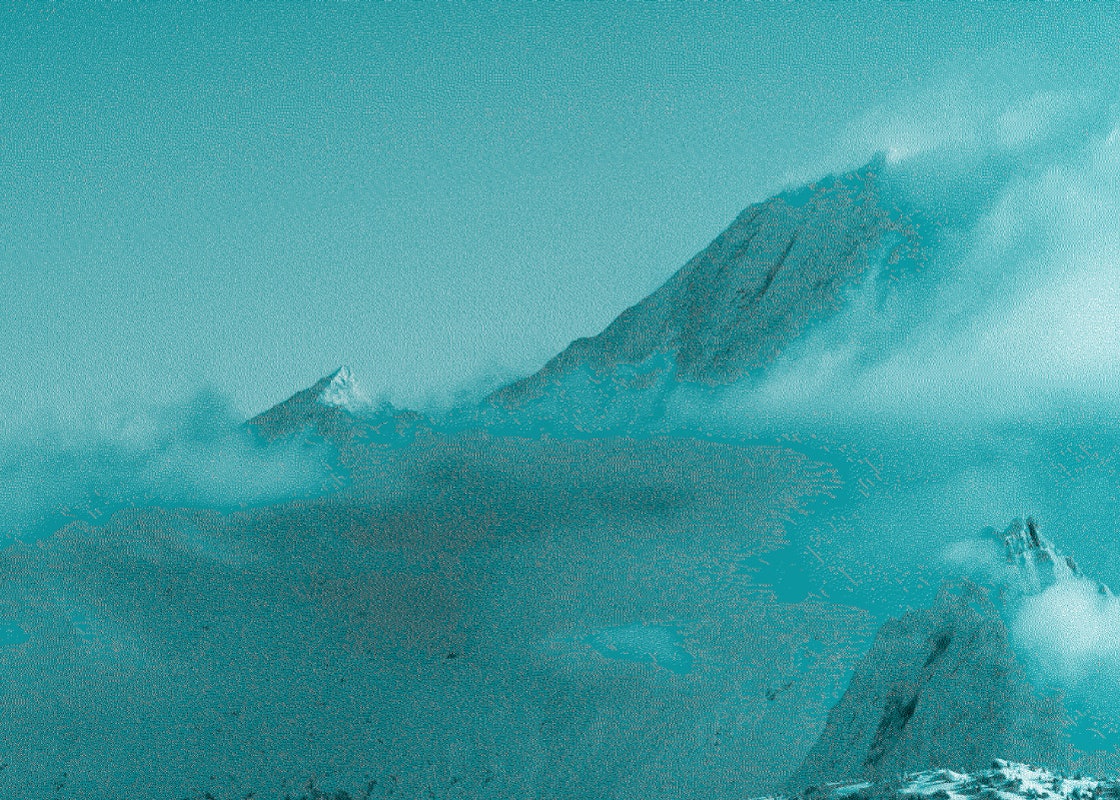
Off-piste skiing in Courchevel
Off-piste adventures
Fresh snow: the call of the off-piste
It’s been snowing all night. When I open the shutters, everything is white and silent. It’s exactly this kind of day that makes me want to head away from the signposts, find my own lines and taste that unique pleasure: fresh tracks in powder snow.
Before heading out, I always go through the same routine:
Get advice from the experts
I take the time to speak with the people for whom the mountains are their daily lives: ski patrollers, mountain guides, ski instructors… Their precious advice helps me understand the avalanche activity and decipher the Avalanche Risk Assessment Bulletin (Bulletin d’Estimation du Risque d’Avalanches or ‘BERA’). The ski patrol have access to the very latest information following preventative avalanche blasting and make daily observations amidst the mountain environment.
When I’m well informed, I pack my bag.
The routine is always the same: a ritual. Transceiver on and working, shovel, probe and a communication device with plenty of battery. Simple, but indispensable every time.
I never go alone
If I’m not with experienced friends, I’d always prefer to make a call and go out with a mountain guide or ski instructor: it’s reassuring and you can learn so much more about the terrain.
Once I’m in the mountains, I take the time to double check the conditions.
Forecast, wind, temperatures, and the Avalanche Risk Assessment Bulletin (BERA). Depending on the snow and weather conditions, different aspects or slopes can become more dangerous. I adapt my itinerary according to this information.
It’s only once I’ve gone through all these steps that I make the decision about going off-piste. Sometimes I decide against it if conditions pose too much risk, or simply because I’m just not feeling sure, that’s all part of the game. But today, it’s all good, it’s time to go!
Leaving the marked runs: stepping into another world
As soon as I leave the marked pistes, I can feel the difference in atmosphere. No more signs, no more safety netting, I’m in the wilderness. Silence becomes more present and there’s untouched powder. The sensation of liberty is immediate, this virgin landscape making the moment really special.
In Courchevel, all I need is a few metres away from the pistes to become part of this other world and feel that sense of freedom. The fresh snow crunches under my skis, the silence of the mountains surround me, and each turn I make is a creative choice. Certain lines need more commitment, and in the back of my head is always that thought: the mountains are never completely safe. Some zones are closed by the ski patrol service for our safety, and I take care to respect their decisions. Whilst descending, I’m attentive to each movement, each change in the terrain: tracks left by other skiers might guide my own, but will never be a guarantee of security.
I take time to stop, breathe and look at the mountains around me. I listen to the silence, I scrutinise the terrain, and take time to chat with others to share observations and advice. Before each line, I check that I know the itinerary and evaluate the snow and risks which can change between one day and the next, from one season to another. I also check that I can be located if necessary. If doubt lingers, I quit without hesitation. For me, off-piste is not a question of performance but of clarity and respect for the mountains.
I love feeling each turn under my skis, paying attention to each movement, staying attentive to what’s around me and respecting nature to truly enjoy the mountains. This attitude ensures my off-piste days end with a smile on my face and my heart beating with pleasure, not from fear.
In summary, off-piste starts well before you click into your bindings:
Knowing how to use your avalanche equipment
Practising using it regularly so using it becomes a reflex
Taking the time to get reliable information from mountain professionals


Respecting the protected zones
Skiing respectfully: to all the mountains’ residents
What I love about going off-piste is the feeling of being on a wilder side of the mountains. The wind on my face, fresh snow under my skis, the silence only broken by cracking of ice or a breeze among the pine trees… But I never forget that I’m not alone here. When I leave the marked runs, I go into a living space. Sometimes I spot animal tracks in the fresh snow, see a chamois perched on a craggy rock or a mountain hare disappearing into the forest. Such encounters, always elusive, remind me that I’m entering into their territory.
Around Courchevel, certain off-piste spaces are sheltering vulnerable wildlife, particularly the black grouse, an emblematic Alpine bird. In winter, when snow covers everything and food becomes scarce, these birds become particularly exposed to danger. Just one person skiing too close causes them to be disturbed and waste precious energy.
It’s to protect these grouse that the protective zones have been put in place. They’re clearly marked on the piste map and I always take a moment to double check before skiing nearby. Even if the slope looks perfect, the fresh powder is tempting, I make a conscious choice to avoid it. These spaces are here to allow the mountain space to breathe, and making the decision to accept that is part of my respect to this fragile balance.
By protecting these no-ski zones, we safeguard more than just one animal. The black grouse is an umbrella species: preserving its habitat means preserving a whole ecosystem. For me, skiing off-piste means also respecting these rules.
Enjoy fresh tracks… and leave with happy memories
I have one particular example in mind: the protection area under the Aiguille de Fruit chairlift. When I reach this place, I slow down. The slope looks amazing, the snow so inviting, but I always double check. Lower down, the young pine trees are already making a refuge for the grouse: more than 1,000 have been planted here. It would be easy to ski around them, find a great line without thinking too much about it. But I’ll always make the choice to stay away and leave this area to nature.
A little further along, the mountain opens up again. The snow is light, the turns link easily and I can find that pure joy of skiing powder, when you can trace your own line. If I’m respectful and well-prepared, the possibilities are immense and I can always find that sense of freedom.
At the end of the day when I head back down, I have that great feeling of happy tiredness. I’ve had a great day on the mountain without pushing the limits. The liberty of off-piste skiing is immense, but that doesn’t mean anything unless it comes with responsibility. Well-informed, well-equipped and respecting the protective zones: these are the choices that make off-piste more intense and more rewarding.
To discover more about how to enjoy off-piste safely, you can find more useful advice on the official site.


